REPORT ON dRPC –WHARC PANEL SESSION
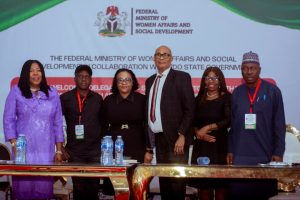
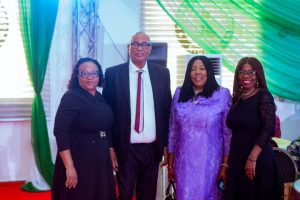
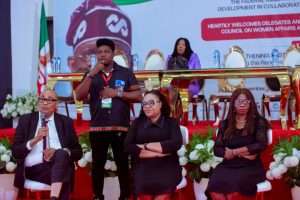
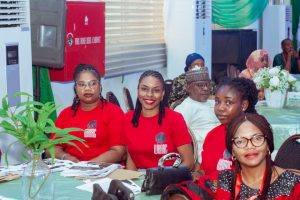
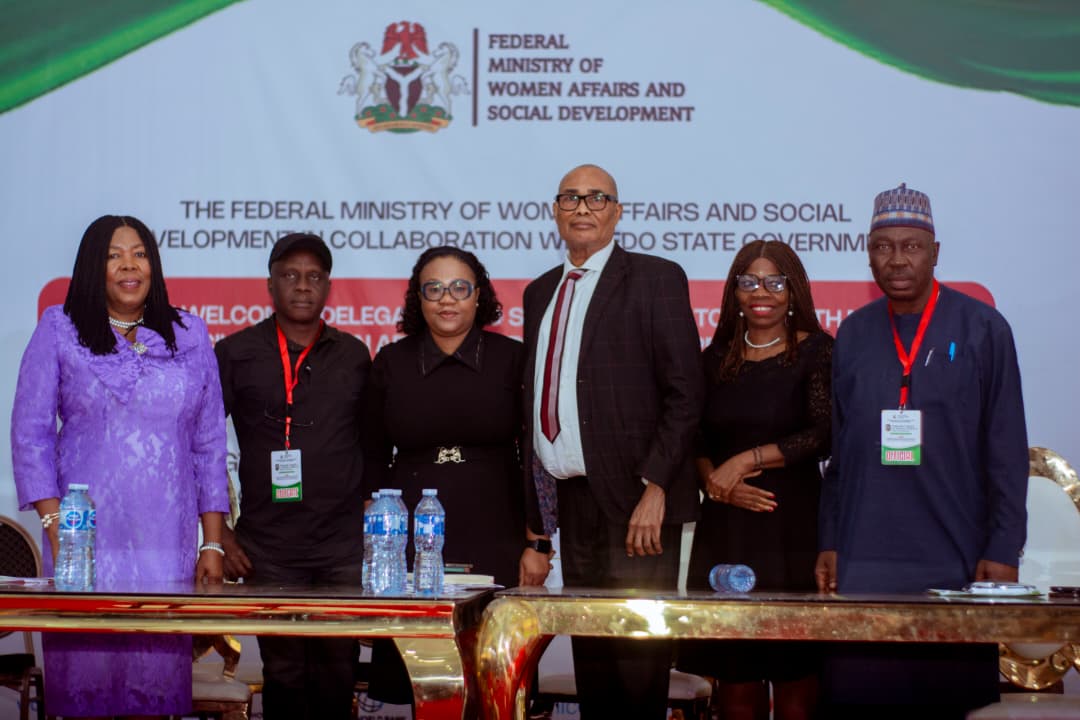
The Women’s Health and Action Research Centre (WHARC) coordinated a joint panel session with the development Research and Project Center (dRPC) at the 25th National Council on Women Affairs and Child Development (NCWACD) that was held on Wednesday, 12th November, 2025, at the Festival Hall, Government House, Benin City, Edo State. Among those in attendance were Professor Friday Okonofua, Professor Anwuli Ofuani-Sokolo, Professor of Law, University of Benin, and Professor Violet Aigbokhaevbo, Professor of Law and former Dean, Faculty of Law, University of Benin. Representing WHARC were staff members Mr Jeremiah Edogun, Mrs Judith Obaseki, Miss Ifechukwude Juwe, Miss Juliet Omokaro, Miss Success Miyepre, and Nurse Patience Omoike.
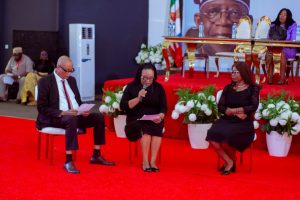
The theme of the panel session was ‘How to Strengthen Capacities of Key Stakeholders to Enhance Women’s Political Participation for Good Governance in Nigeria”. The panel session was chaired by Professor Friday Okonofua; Professor Anwuli Ofuani-Sokolo was one of the panelists, and Professor Violet Aigbokhaevbo was the discussant.
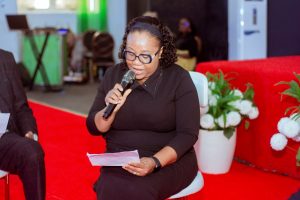
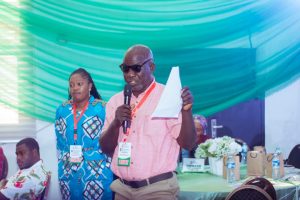
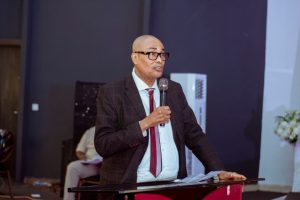
Professor Okonofua opened the session by introducing the theme for the discourse, the panelists, and the discussant to the audience. Following this, Professor Anwuli Ofuani-Sokolo delivered a goodwill message and keynote speech on behalf of Dr. Judith Ann-Walker, the executive director of dRPC.
Two critical questions guided the discussion:
- The state of women’s participation and involvement in politics in Nigeria today.
- The thoughts and reflections on the strategy used by the dRPC to engage, educate, and shift norms of male allies, the male-dominated media, and men in the political party system? And how feasible is the strategy?
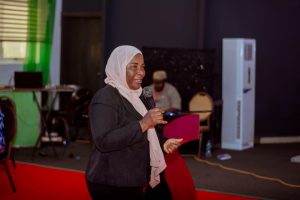
During the discussion, Professor Violet Aigbokhaevbo explained that girls are often raised primarily to take care of the home, their husband, and their children. Because of this, when a woman shows interest in goals beyond being a wife and mother, people may see it as a departure from what society expects of her. She added that women who want to enter politics face many strong barriers, and those who succeed are sometimes labelled as rebels for stepping into roles traditionally meant for men. She also pointed out that political parties often make things difficult for women, especially because running for office requires a lot of money, money many women do not have due to lower income levels.
Continuing the conversation, Professor Anwuli Ofuani-Sokolo emphasized the importance of support from families and communities. She said that these are the first places where women need encouragement. She also noted that changing the constitution to include clear gender equality provisions would greatly help women.
On the role of men as allies, Professor Aigbokhaevbo said that women should work together with men and reassure them that they are not trying to take over. Instead, women want to close the gaps and have the opportunity to work with decision-makers on issues that affect their lives.
As the dialogue unfolded, WHARC staff members distributed informative documents to participants. These included materials highlighting gender disparities in local government leadership across Nigeria, the Ministry of Women Affairs’ 2025 Approved Budget Estimates, and data on women occupying key positions in state houses of assembly.
Additionally, Professor Friday Okonofua urged that more women should be supported to take part in politics. He also encouraged women to stand by and support one another.
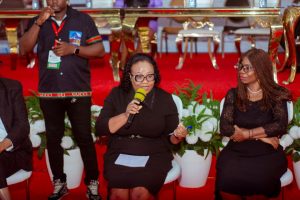
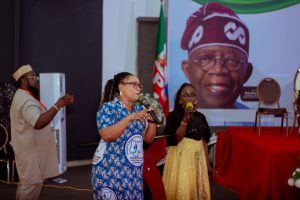
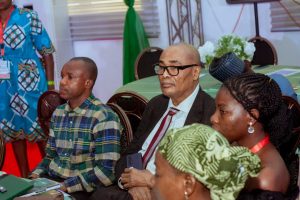
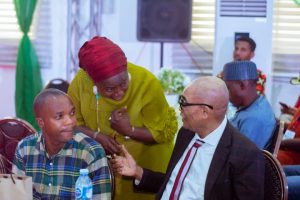
Participants took part actively in the discussion, sharing their views and asking questions. The panelists responded to each question clearly and thoughtfully. The session concluded with closing remarks by the chair, Professor Friday Okonofua.
PHOTOS:
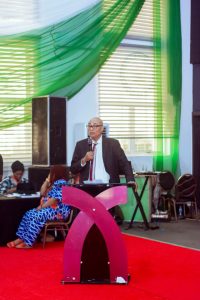
Prof. okonofua giving the introductory speech for the panel session